Have you seen the Masai Mara? Then you know the thrill of a lion kill and the weight of a leopard in a fig tree. Northern Kenya is different. It rewards patience with species you have not filmed. Two regions sit side by side: Laikipia and Samburu. Both are special. They offer different animals, different moods, and different costs. This guide compares laikipia versus samburu wildlife in five key differences: species, habitat, activities, price, and access. After reading, you can pick one region, or combine both.
Laikipia versus Samburu wildlife: which has better sightings?
Choose Samburu for the best chance of seeing the Samburu Special Five, elephants, leopards, and dry-country species in a compact riverine setting. Choose Laikipia for rhinos, African wild dogs, and conservation-focused sightings on private land. Neither region is universally better. Samburu wins for unique northern species, while Laikipia wins for endangered wildlife and safari variety.
In Samburu National Reserve and neighbouring Buffalo Springs National Reserve, the Ewaso Nyiro River is the lifeline. Elephant herds gather in the dry months. Leopards rest in the riverine forest. In Laikipia, sightings are spread across private land. Ol Pejeta Conservancy, Lewa Wildlife Conservancy, Loisaba, Borana, and Il Ngwesi each protect different habitats. On a good day, Laikipia offers a larger species list. On a short visit, Samburu can feel more focused. Both regions reward time behind binoculars.
Samburu Special Five versus Laikipia rhinos and wild dogs
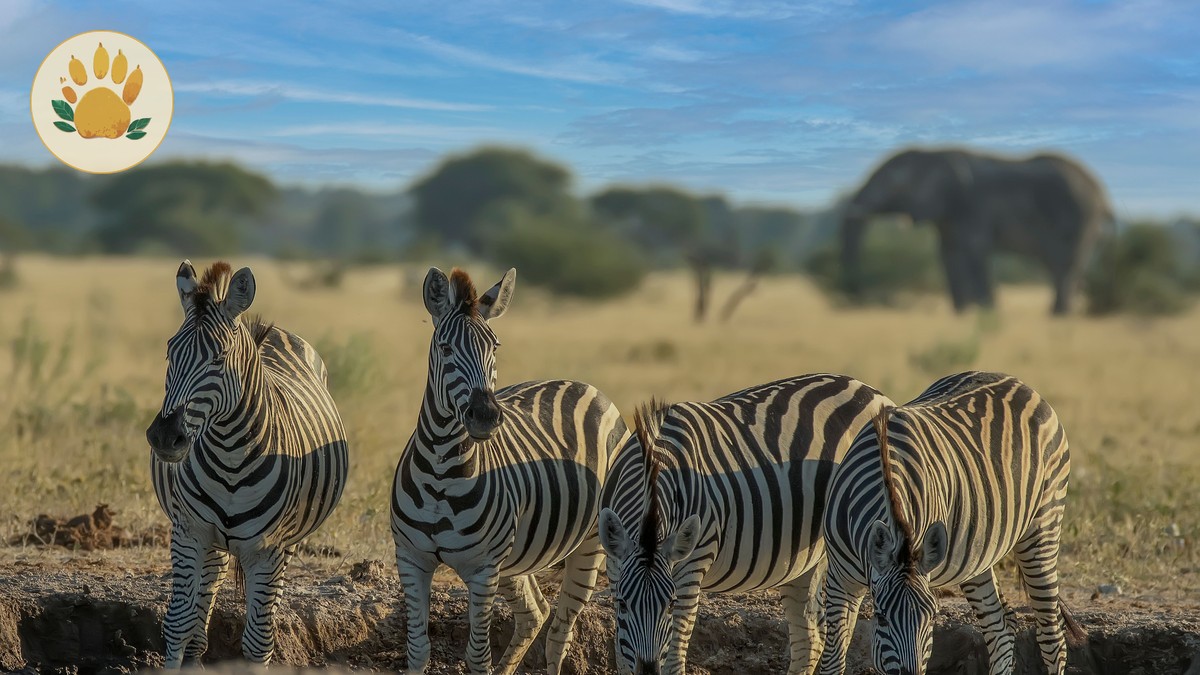
Samburu’s signature animals are Grevy’s zebra, reticulated giraffe, Somali ostrich, gerenuk, and beisa oryx. Laikipia is stronger for black and white rhinos and African wild dogs, with major conservation areas including Ol Pejeta Conservancy, Lewa Wildlife Conservancy, Loisaba, and Borana. Pick Samburu for species uniqueness. Pick Laikipia for threatened mammals and tracking experiences.
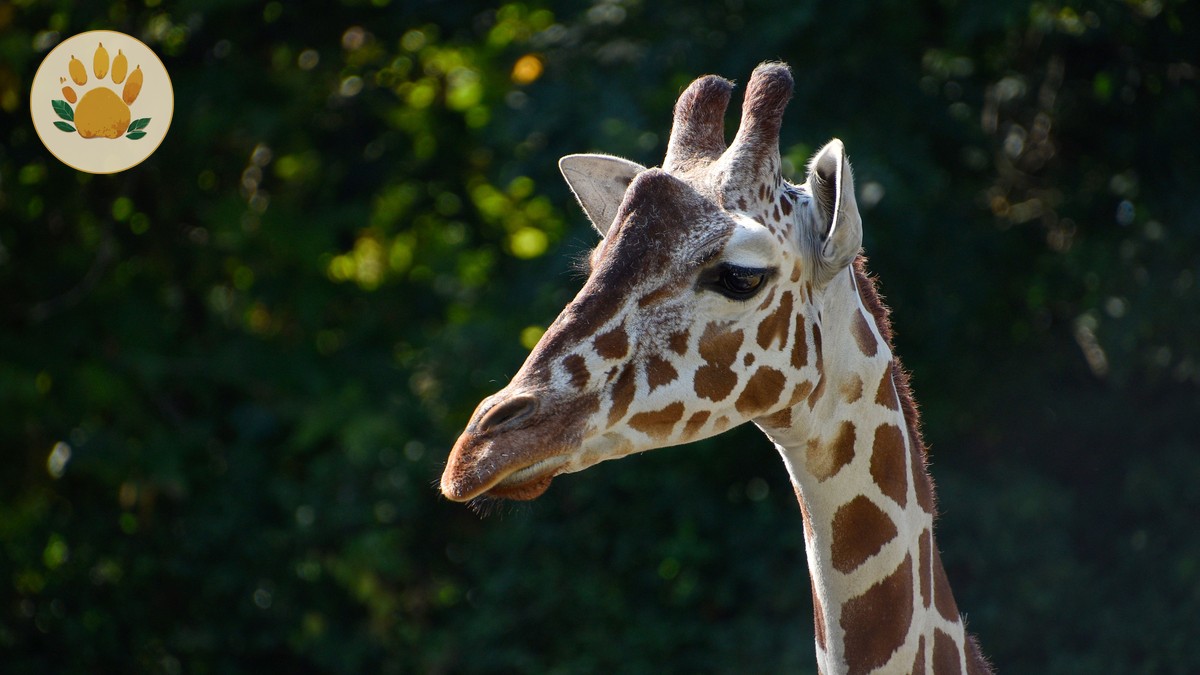
The Samburu Special Five is the reason many travelers choose Samburu National Reserve over any other park. Each species is built for dry country. Grevy’s zebra has narrow stripes and round ears. Reticulated giraffe carries a honeycomb pattern. Somali ostrich has a blue-grey neck and legs on the male. Gerenuk stands on its hind legs to browse. Beisa oryx wears long, straight horns and a black, white, and tan face.
Laikipia counters with rarity. Ol Pejeta Conservancy is home to one of the largest black rhino populations in East Africa. Lewa Wildlife Conservancy protects both black and white rhinos and is a stronghold for African wild dogs. Wild dogs move over huge ranges, so sightings are never guaranteed. When you find them, it is one of the best moments in African wildlife.
| Species | Best region to focus | Notes |
|---|---|---|
| Grevy’s zebra | Samburu, Buffalo Springs, Lewa | Narrow stripes, round ears |
| Reticulated giraffe | Samburu, Loisaba, Lewa | Honeycomb pattern |
| Somali ostrich | Samburu, Buffalo Springs | Male has blue-grey neck and legs |
| Gerenuk | Samburu, dry bush | Feeds standing on hind legs |
| Beisa oryx | Samburu, dry plains | Long horns, black, white, and tan face |
Landscape, habitat, and safari atmosphere
Samburu offers a hotter, drier, and more dramatic landscape of rocky hills, golden plains, doum palms, and the Ewaso Nyiro River. Laikipia sits on a greener, cooler highland plateau with grassland, acacia bush, forest patches, ranches, and conservancies. Samburu feels stark and wild. Laikipia feels spacious, varied, and conservation-led.
Samburu sits at a lower altitude. Expect heat, dust, and the sharp blue line of the river. The contrast between bare hills and green riverbanks makes every game drive feel cinematic.
Laikipia sits higher, around 1,700 metres in places. Mornings are cool. Mount Kenya appears on the horizon from some conservancies. The land is a patchwork of grassland, cedar forest, and river valleys. Old cattle ranches became conservancies over the past three decades, and wildlife has returned. You will share the space with cattle on working ranches, which keeps the ecosystem balanced.
Atmosphere differs too. Samburu National Reserve is public land, so vehicles can be closer together at a sighting. Laikipia conservancies are private, with fewer vehicles and more space around an animal. If you value quiet, Laikipia wins.
Game drives, night drives, walking, and off-road access
Laikipia is the better choice for private safari activities because many conservancies allow off-road driving, guided walks, night drives, and specialized experiences such as rhino tracking. Samburu delivers excellent conventional game drives but has more fixed public roads and restrictions associated with a national reserve. Confirm activity rules with the specific camp before booking.
In Samburu National Reserve, game drives follow a set road network. Off-road driving is not generally allowed, and night drives inside the reserve are not offered. That is no reason to skip it. The river roads are superb for leopard and elephant.
The edge of the ecosystem is different. Camps like Sasaab and Saruni Samburu sit on private conservancies beside the reserve. From those bases, you can walk and sometimes drive at night. Ask before you book, because each conservancy sets its own rules.
In Laikipia, private conservancies allow more freedom. Guided walks with an armed ranger are standard at Borana, Loisaba, and Lewa. Night drives are common in several conservancies. Off-road driving is permitted for rhino tracking in some areas. This freedom is a major reason repeat safari visitors prefer Laikipia. Photographers should also know that hides exist in both regions. Kenya safari photography hide costs vary by camp, but a hide can lift your images from good to memorable.
Safari costs and park or conservancy fees
Laikipia usually costs more because private conservancy fees are commonly bundled into lodge rates, while Samburu has separate reserve fees and generally broader accommodation choice. Indicative sharing rates are about $250 to $1,000-plus per person per night in Samburu and $300 to $1,300-plus in Laikipia, depending on tier and season.
Entry to Samburu National Reserve runs in the USD 60 to 80 per adult per day range for non-residents. Treat that as an indicative range, because fees change. Laikipia conservancies work differently. Most travelers stay inside a conservancy, and the daily conservation fee is folded into the rate you pay. Ol Pejeta Conservancy and Lewa Wildlife Conservancy are private, so their fees are not set by Kenya Wildlife Service.
For context, the Masai Mara is county-run and charges USD 100 per adult per day from January to June and USD 200 from July to December. Samburu is usually cheaper at the gate. Laikipia tends to cost more overall, but the extra money buys walking, night drives, and a private feel.
Best value often comes at the shoulder seasons. January and February rates are lower than August rates. A four-night trip in Samburu and Laikipia might cost a similar total to a four-night Mara safari, while giving you a wider spread of wildlife.
| Comparison | Samburu | Laikipia |
|---|---|---|
| Road time from Nairobi | About 6 hours (325 km) | About 3.5 hours (200 km to Nanyuki) |
| Scheduled flight from Nairobi | 55-60 minutes | 35-40 minutes |
| Non-resident entry fee | USD 60-80 per adult per day (indicative) | Usually bundled in lodge rates |
| Typical full-board rate | $250-1,000+ per person per night | $300-1,300+ per person per night |
| Signature wildlife | Samburu Special Five, elephant, leopard | Black and white rhino, wild dog, elephant, leopard |
How to get there and combine both regions
From Nairobi, Samburu typically takes about six hours by road or 55 to 60 minutes by air, while Nanyuki-area Laikipia takes roughly 3.5 hours by road or 35 to 40 minutes by air. A practical combined itinerary is two nights in Samburu followed by three nights in Laikipia, using a connecting flight or overland transfer.
The road to Samburu runs north past Nanyuki and Isiolo. The last section to Samburu National Reserve can be rough in places, so drivers slow down. The flight from Wilson Airport is the easier option. Laikipia is closer to Nairobi. Nanyuki is a proper town with daily flights, and Lewa and Loisaba have their own airstrips.
Combining both regions is simple. After two nights in Samburu, a connecting flight can take you to Lewa or Loisaba in about 30 to 45 minutes. Overland, the drive between the two regions is roughly three to four hours, depending on camp locations.
The 2 plus 3 split gives you the best of both worlds. You get Samburu’s dry-country drama first, then Laikipia’s rhinos, wild dogs, and walking. Many travelers do this as a single northern Kenya loop and return to Nairobi by air.
Best time to visit Laikipia and Samburu
June to October is the safest shared window for strong game viewing, with January and February also productive in both regions. Samburu can work well during November’s short rains because wildlife remains near the river, whereas Laikipia’s March-to-May rains may make tracks muddy and walking activities less predictable.
Wildlife in both regions is driven by water and grazing. In the dry months, animals gather where food and water remain. Samburu’s river concentrates the action. In Laikipia, wildlife spreads across the plateau, but waterholes pull in a steady stream of species.
The shoulder seasons are interesting for a repeat visitor. January and February are warm and dry in most years. November’s short rains refresh the bush; Samburu remains watchable because game stays near the river. Laikipia’s long rains from March to May can turn tracks muddy, and walking safaris may be cancelled. If you plan a wet-season trip, read about safari safety during heavy rain first. Camps handle storms well, but expectations should be realistic. Our notes on what happens when rain affects game drives explain how roads, sightings, and hide visits change.
Frequently Asked Questions
Is Laikipia or Samburu better for wildlife?
Samburu is better for the Samburu Special Five, elephants, leopards, and dry-country scenery. Laikipia is better for rhinos, wild dogs, private-conservancy activities, and a wider range of conservation experiences.
Can I combine Samburu and Laikipia?
Yes, combining them is practical and gives the most varied northern Kenya safari. Allow about two nights in Samburu and three nights in Laikipia, traveling by connecting flight or a road transfer of roughly three to four hours depending on the camps.
Is Laikipia more expensive than Samburu?
Laikipia is usually more expensive because conservancy fees and exclusive activities are often included in lodge rates. Indicative prices range from about $300 to $1,300-plus per person per night in Laikipia, compared with roughly $250 to $1,000-plus in Samburu, depending on season and accommodation level.
What animals can you see in Laikipia?
Laikipia is known for black and white rhinos, African wild dogs, elephants, lions, leopards, Grevy’s zebra, and reticulated giraffe. Sightings vary by conservancy, but Ol Pejeta, Lewa, Loisaba, and Borana are especially associated with endangered wildlife and specialist experiences.
Where can I see the Samburu Special Five?
The Samburu Special Five are most closely associated with Samburu National Reserve and the surrounding northern Kenya ecosystem. They are Grevy’s zebra, reticulated giraffe, Somali ostrich, gerenuk, and beisa oryx, although sightings are never guaranteed.
The SafariPure Difference
SafariPure plans northern Kenya trips the way a guide would plan one for a friend. We spend time on the road, so we know which stretches are slow and which conservancies suit which traveler. We do not push filler stops. If you have already seen the Mara, we will build a route around dry-country specialists, rhinos, wild dogs, and quiet camps.
We also tell you what costs what. Laikipia versus Samburu wildlife is not a trick question. The right answer depends on your pace, budget, and priorities. We will send you a day-by-day plan with real distances, real drive times, and named camps. When rain threatens, we adjust rather than pretend nothing changed. That is the difference between a trip that looks good on paper and one that feels right in the field.
Plan your northern Kenya safari with SafariPure
If this comparison has you leaning one way, or both, the next step is a conversation. Browse our northern Kenya safari itinerary for a ready-made Samburu plus Laikipia route, or contact SafariPure with your dates and we will shape the rest. We will tell you honestly which conservancies fit, which camps suit your style, and when to travel. The wild part of Kenya is waiting.